
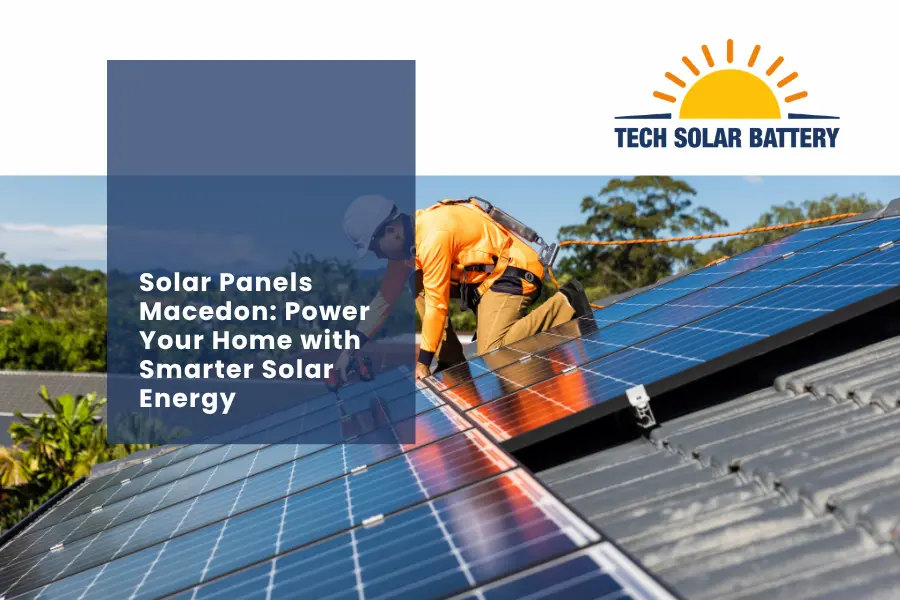
Living in the Macedon Ranges has real advantages. Still, a big country house can use a lot of energy, and that can lift your bills fast. With Victoria’s rates moving up, solar panels in Macedon can help you make your own power. That can also reduce what you pay each quarter and lower the impact of future grid increases.
Getting the setup right matters. The goal is to save as much as possible on bills, keep power safer during local outages, and make sure you get any state rebates you qualify for. This write up explains how to plan a solar system in Macedon. It covers the local weather effects, how to size the system, available government support, and when adding a battery makes sense.
By customising your layout for local shade and seasonal conditions, you can tap into reliable solar power in Macedon year-round. Investing in high-performance residential solar panels in Macedon delivers clean solar energy in Macedon while cutting grid reliance, providing long-term value, lower emissions, and maximum returns for your property.
Why Macedon Ranges Homes Need a Custom Solar Design
For each region, taking into account the subtleties of the local climate, a solar power system design is worked out, which is not always indicated in the low-cost packages. While the weather in Melbourne is considered relatively mild, in Macedon, the winters are cold and cloudy, while the summers are warm and sunny.
To enjoy the full power of solar electricity in Macedon, the equipment must be selected with a focus on the local climate. To get the best value out of solar power in Macedon, your system needs to be built specifically for regional conditions.
High Energy Output All Year Round
Tier 1 solar panels are made to keep working when days are grey and cold. A local installer adjusts the angle and the panel direction. This helps your system keep output through the winter months.
Built for Cold and Heat
Macedon winters bring heavy frost, while summer afternoons bring high heat. Low-quality solar parts can lose power or wear out fast when temperatures jump from one extreme to the other. Quality residential solar panels in Macedon come built with strong heat and cold resistance, making sure they work well in freezing frost or hot summer sun.
Handling Shade from Local Trees
Many homes in Macedon are surrounded by tall gum trees and thick gardens. While these trees look great and provide shade, tree cover can lower the power output of basic solar setups.
With a typical setup, shade on one panel can drag down the output of the rest. Micro-inverters or DC optimisers change that. Each panel can run by itself. So, if a branch covers one section, the other panels still produce power at near normal levels.
The Top Benefits of Solar Power in Macedon
Switching over to clean solar energy in Macedon brings many instant and long-term benefits to your home and lifestyle.
- Big Bill Savings: Making your own power means buying far less electricity from power companies. Most local homes see a big drop in their power bills straight away.
- Protection Against Rising Energy Costs: Power costs in Australia have gone up for years. Generating your own power shields your home budget from sudden price increases.
- Higher Home Value: Energy-efficient homes stand out to buyers on the property market. Buyers love homes with modern solar power and battery systems because it means lower living costs from day one.
- Lower Carbon Footprint: Switching from fossil fuels to clean solar energy reduces your home emissions, helping protect Australia’s natural environment.
- More power control: Adding a solar battery lets you manage how you use power in the day and at night.
Step-by-Step: Getting Solar Panel Installation in Macedon
Putting solar in place is a decision for the long run. It still needs planning and proper guidance. When you work with accredited local installers, your system should meet Clean Energy Council (CEC) rules and Victorian requirements.
Step 1: Full Roof and Site Check
A reliable local installer starts by checking your home. They inspect your roof direction, tile or tin roof quality, main switchboard, and any tree shade issues.
Step 2: Choosing Your System Size
There is no single fix for every home. Your installer looks at your daily power to use to design a setup that fits your lifestyle. For most homes in the area, a 6.6kW to 10kW system paired with a smart inverter offers the best mix of power and cost.
Step 3: Rebate Applications and Grid Approval
Before placing any panels on your roof, your installer sends paperwork to Solar Victoria for state rebates and works with Powercor (the local electricity network) for connection approvals.
Step 4: Safe Installation Day
On installation day, qualified CEC electricians mount heavy-duty roof racks, lock down the solar panels, install the inverter near your main board, and fit safety switches.
Step 5: System Testing and Meter Setup
Once everything is set up and wired, the team runs safety tests. They check panel performance, help you set up phone tracking apps, and prepare your meter for solar exports.
Step 6: Daily Tracking and Savings
With your system live, you can track daily power production on your mobile phone. You can watch how much power you make, how much you use, and how much money you save every day.
Picking the Right System Size for Your Household
Choosing the right size solar setup is key. If your system is too small, you will still buy expensive power from the grid. If your system is way too big without a battery, you will send extra power to the grid for very small payouts.
Here is a simple look at popular system sizes:
3kW to 5kW Systems
- Best for: Small single homes or couples with low day power use.
- Average daily power: Around 12 to 20 kWh per day.
- Typical setup: 8 to 14 solar panels with a 3kW or 4kW inverter.
- Summary: Good for basic needs, but may fall short if you run heaters, coolers, or large appliances often.
6.6kW Systems (Most Popular Choice)
- Best for: Average Australian families with normal energy needs.
- Average daily power: Around 24 to 28 kWh per day.
- Typical setup: 16 to 18 solar panels with a 5kW inverter.
- Summary: This size is the top pick for most Victorian homes. It makes enough power for daytime appliances, charges a battery well, and gets the most out of government rebate limits.
10kW+ Systems
- Best for: Large homes, farms, houses with swimming pools, electric heating, or electric car (EV) chargers.
- Average daily power: Around 38 to 45 kWh per day.
- Typical setup: 24 to 30 solar panels with an 8kW or 10kW inverter.
- Summary: Best for homes wanting to remove gas appliances entirely or run heavy electrical equipment all day.
Getting More Value: Adding Battery Storage to Your Solar
Generating clean energy during the day lowers your daylight power bills, but adding a home solar battery gives you complete power freedom.
| Feature | Solar Panels Only | Solar + Battery Storage System |
|---|---|---|
| Daytime Power Use | Directly lowers grid bills | Directly lowers grid bills |
| Nighttime Power Use | Buys 100% from grid | Uses free stored solar power |
| Blackout Protection | System turns off during blackout | Keeps your key lights and power on |
| Energy Freedom | Medium (~40% to 60% savings) | High (~80% to 95% savings) |
| Rebates Available | Solar Victoria PV Rebate | Federal and State Battery Incentives |
With feed-in rates (the money power companies pay you for sending solar power back into the main grid) sitting low, selling your extra energy gives small returns.
Instead of selling your power cheap during the day and buying it back at high prices at night, a solar battery stores your extra daytime power. You can then use it in the evening to power lights, kitchen tools, and heating without paying high grid prices.
Also, regional homes face storm blackout risks. Having a modern battery system with backup capability keeps your main household tools running smoothly during power outages.
Understanding Government Solar Rebates in Victoria
The Victorian Government and Federal Government offer financial help to lower the upfront price of installing clean energy systems.
1. Solar Victoria PV Rebate
Victorian homeowners can apply for discounts through the Solar Homes Program. This rebate gives you an upfront discount on approved roof setups, cutting your out-of-pocket costs.
2. Small-scale Technology Certificates (STCs)
Under the national clean energy plan, every solar setup earns STCs based on location and system size. Authorized installers apply these certificates directly as a discount on your initial quote, saving you thousands on gear costs.
3. Solar Victoria Interest-Free Loans
To make solar even easier to afford, eligible Victorian applicants can apply for an interest-free loan matching the rebate amount. You pay the loan back in small payments over four years with no added interest fees.
When you hire a professional local installer, they handle all the rebate paperwork and application forms for you, so the savings go straight onto your bill.
Easy Tips to Get the Best Results from Your System
Once your solar setup is installed and running, using a few simple daily habits will help you save even more money:
- Use Power During Daylight Hours: Run heavy appliances like washing machines, dishwashers, clothes dryers, and water heaters during peak sun hours (between 10 AM and 3 PM).
- Run One Big Tool at a Time: Try not to run all your large electric tools at once. Running your dishwasher, oven, and air conditioner at the same time can exceed your solar output, pulling extra power from the grid.
- Keep Your Panels Clean: Check your roof now and then for thick dirt, leaf piles, or bird droppings. A simple clean keeps the glass clear to gather sunlight.
- Check Your Phone App: Look at your solar app regularly. Checking performance helps you spot sudden output drops early, so you can fix issues or check tree shade quickly.
Frequently Asked Questions
Are solar panels effective in Macedon during cold winter months?
Yes, solar panels run on light rather than warmth to generate electricity. Modern Tier-1 panels work very well in cold weather and keep making power on clear winter days, helping offset your heating needs.
How much can I save on electricity bills with solar energy in Macedon?
Most local homes save between $1,200 and $2,500 each year depending on system size, daily power habits, and whether a battery is installed. Running appliances during daylight hours gives you the best overall savings.
What system size is recommended for a typical Macedon home?
A 6.6kW solar array paired with a 5kW inverter is the standard setup for average homes. Houses using electric heating, water pumps, or EV chargers often benefit from upgrading to a larger 10kW setup.
How do government rebates work for solar panel installation in Macedon?
Eligible Victorian homeowners can access the Solar Homes Program to rebate along with federal STCs. Qualified installers apply these discounts directly to your job quote, cutting your upfront costs.
Will shading from nearby trees impact my solar system performance?
Tree shade lowers power output on basic string solar setups. However, using micro-inverters or DC optimisers allows unshaded panels to work at full strength. A site check spots shade issues before installation day.
How long does a residential solar system installation take?
Physical installation on your roof usually takes just one day once grid approvals are done. Your installer manages Powercor grid paperwork and sets up phone monitoring so you can track your energy right away.
Take Control of Your Energy Bills Today
Stop letting rising power costs rule your home budget. Upgrading your property with high-performance solar panel installation in Macedon gives you full control over your power bills, cuts home carbon emissions, and adds lasting value to your house.
At Tech Solar Battery, our local energy team designs and installs tough, weather-ready solar setups built specifically for homes across the Macedon Ranges.
Ready to start saving? Contact Tech Solar Battery today to request your free, no-obligation roof check and custom quote!